
Table of Contents
Why Choose a Rattan Chair Indoor for Your Living Room?

Natural aesthetics and timeless appeal make rattan chairs an exceptional choice for living rooms. The warm, organic tones of natural rattan bring an inviting atmosphere that transforms any space into a cozy retreat. Unlike synthetic materials, genuine rattan develops character over time, with each piece telling a unique story through its natural variations in color and texture.
The lightweight yet durable structure of rattan furniture offers practical benefits alongside its beauty. You can easily rearrange your living room layout without strain, while still enjoying furniture that withstands daily use. High-quality indoor rattan chairs can support substantial weight—typically 250-300 pounds—making them both functional and stylish additions to your home.
Eco-friendly and sustainable material advantages position rattan as an environmentally conscious choice. Harvested from renewable palm vines, rattan grows quickly without requiring deforestation. When sourced responsibly from certified suppliers, rattan furniture represents a sustainable alternative to hardwood options that deplete forests more rapidly.
Versatility across modern, boho, and minimalist interiors demonstrates rattan’s remarkable adaptability. Whether your living room embraces sleek contemporary design or embraces eclectic bohemian elements, a well-chosen rattan chair indoor complements diverse aesthetics. The natural material bridges different design styles, creating visual interest while maintaining harmony with existing decor.
Types of Indoor Rattan Chairs for Different Living Room Styles
Classic Natural Rattan Chairs
Classic natural rattan chairs showcase the material’s authentic beauty with traditional woven patterns and warm honey-toned finishes. These timeless pieces feature handcrafted construction techniques passed down through generations of artisans. The natural variations in color and texture make each chair unique, adding character to your living room that mass-produced furniture cannot replicate.
Synthetic Rattan Indoor Chairs
Synthetic rattan indoor chairs offer the appearance of natural rattan with enhanced durability and lower maintenance requirements. Made from high-density polyethylene (HDPE) or resin materials, these chairs resist fading, cracking, and moisture damage better than their natural counterparts. While they lack the authentic patina of genuine rattan, synthetic options provide excellent value for high-traffic areas or homes with pets and children.
Rattan Accent Chairs for Living Rooms
Rattan accent chairs serve as statement pieces that draw the eye and create focal points within your living room design. These chairs often feature bold silhouettes, curved backs, and distinctive woven patterns that showcase artisanal craftsmanship. Whether placed in a corner, beside a fireplace, or as part of a seating arrangement, rattan accent chairs add visual interest and personality to your space.
Rattan Lounge Chairs Indoor
Indoor rattan lounge chairs prioritize comfort without sacrificing style. These generously proportioned chairs feature deeper seats, reclined backrests, and often include plush cushions for extended relaxation sessions. Perfect for reading nooks or conversation areas, rattan lounge chairs combine the material’s natural appeal with ergonomic design principles that support proper posture during extended sitting periods.
Rattan Dining Chairs for Indoor Use
Rattan dining chairs bring natural elegance to dining spaces while providing comfortable seating for meals and gatherings. Available in various designs—from fully woven constructions to chairs with rattan backrests and upholstered seats—these pieces work beautifully with both traditional and modern dining tables. The lightweight nature makes them easy to move for cleaning or rearranging, while their durability ensures they withstand daily dining use.
How to Choose the Best Rattan Chair Indoor

Frame materials: solid wood vs metal significantly impact your chair’s durability and aesthetic. Solid wood frames, typically made from hardwoods like mahogany, oak, or beech, offer classic warmth and exceptional strength. These natural materials complement the rattan weave while providing robust structural support. Metal frames, often aluminum or steel with powder-coated finishes, deliver contemporary styling and lighter weight, though they may feel less warm than wood alternatives.
Cushion comfort and fabric selection dramatically affects your seating experience. High-quality rattan chairs feature cushions made from high-density foam that maintains shape and provides consistent support. Look for removable covers with durable fabrics like linen, cotton, or performance materials that resist staining and fading. The cushion thickness should balance comfort with aesthetics—typically 4-6 inches provides adequate padding without overwhelming the chair’s design.
Weight capacity and structural stability ensure your chair safely supports users. Quality indoor rattan chairs should accommodate at least 250-300 pounds, with premium models supporting up to 350 pounds. Test stability by gently rocking the chair; quality construction should feel solid without wobbling or creaking. Reinforced joints, either through doweling, screws, or specialized joinery techniques, indicate superior craftsmanship and extended durability.
Ergonomic design for long sitting enhances comfort during extended use. Proper seat height (typically 17-19 inches from the floor) allows feet to rest flat while maintaining good posture. Backrest angle and lumbar support prevent fatigue during prolonged sitting. Armrests, when present, should position naturally at elbow height (26-28 inches from the floor) to relax shoulders and arms without straining the upper body.
Matching with existing living room furniture creates cohesive design. Consider your current furniture’s wood tones, fabric colors, and overall style when selecting rattan chairs. Natural rattan’s warm tones complement various wood species, while neutral cushion fabrics work with multiple color schemes. Don’t hesitate to mix materials—a rattan chair can beautifully bridge wooden coffee tables, metal lamps, and upholstered sofas when chosen thoughtfully.
Key Features of a High-Quality Indoor Rattan Chair
Handwoven craftsmanship vs machine-made production affects both aesthetics and durability. Handwoven rattan chairs display the skill of experienced artisans, with tight, consistent weaving that creates superior strength and visual appeal. Each handcrafted piece shows subtle variations that celebrate the material’s natural character. Machine-woven options offer consistency and lower prices but may lack the refined finish and structural integrity of handmade alternatives.
Premium rattan material selection ensures longevity and authentic appearance. Quality manufacturers use mature rattan cane harvested at optimal thickness, typically 1-2 inches in diameter. The material undergoes proper treatment—including drying, straightening, and sometimes steaming—to maximize durability and workability. Inferior rattan may crack, split, or discolor prematurely, compromising both appearance and structural integrity.
Reinforced joints and frame durability prevent common failure points in furniture construction. Premium rattan chairs employ mortise-and-tenon joinery, doweling, or metal brackets at stress points where the frame connects to woven elements. These reinforcement techniques distribute weight evenly and prevent loosening over time. Avoid chairs with glued-only joints or visible staples, as these construction methods indicate lower quality and limited lifespan.
Smooth finishing and safety details protect both users and the furniture itself. Quality rattan chairs feature sanded surfaces without sharp edges, splinters, or rough spots that could snag clothing or skin. Finishes—whether natural clear coats or stains—should be evenly applied without drips, bubbles, or tacky spots. Protective foot glides prevent floor damage while stabilizing the chair on various surfaces.
Long lifespan and maintenance requirements vary significantly based on construction quality. Well-made indoor rattan chairs can last 20-30 years with proper care, while inferior versions may show deterioration within just a few years. Premium pieces typically require only occasional dusting and prompt attention to spills, whereas lower-quality options might need frequent tightening of woven elements and more intensive maintenance routines.
Best Rattan Chair Indoor for Living Room – Top Picks by Category
Best for Small Spaces
Compact rattan chairs with streamlined profiles maximize functionality without overwhelming smaller living rooms. Look for designs with narrower frames (under 24 inches wide), vertical emphasis, and lighter visual weight. Armless options or chairs with low-profile arms help maintain open sightlines while still providing comfortable seating. Stackable rattan designs offer additional flexibility, allowing you to store chairs away when not in use.
Best for Modern Living Rooms
Contemporary rattan chairs feature cleaner lines, minimalist silhouettes, and often incorporate mixed materials like metal legs or sleek wood frames. These designs maintain rattan’s natural appeal while fitting seamlessly into modern aesthetics characterized by simplicity and functionality. Look for neutral finishes, geometric patterns, and restrained ornamentation that complement contemporary decor without competing for attention.
Best Budget Indoor Rattan Chairs
Affordable rattan chairs typically feature synthetic rattan materials, simpler construction methods, and basic cushioning. While these options may lack the premium feel of handcrafted natural rattan pieces, well-made budget chairs still provide style and functionality at accessible price points. Focus on solid frame construction and decent weaving quality rather than elaborate designs or premium materials to maximize value within budget constraints.
Best Luxury Rattan Chairs Indoor
High-end rattan chairs showcase exceptional craftsmanship, premium materials, and sophisticated design. These investment pieces often feature intricate weaving patterns, rare rattan varieties, and custom cushioning with premium fabrics. Luxury options may include designer collaborations, limited editions, or historically inspired reproductions that serve as functional art pieces within your living room.
Best Comfortable Rattan Lounge Chair Indoor
Exceptionally comfortable rattan lounge chairs prioritize ergonomics without sacrificing style. These chairs feature deeper seats (20+ inches), reclined backrests, generous cushioning (5-6 inches thick), and often include additional comfort features like padded armrests or adjustable elements. The best options balance generous proportions with refined aesthetics, creating inviting seating that still appears elegant rather than bulky or overstuffed.
Rattan Chair Indoor vs Wicker Chair: What’s the Difference?
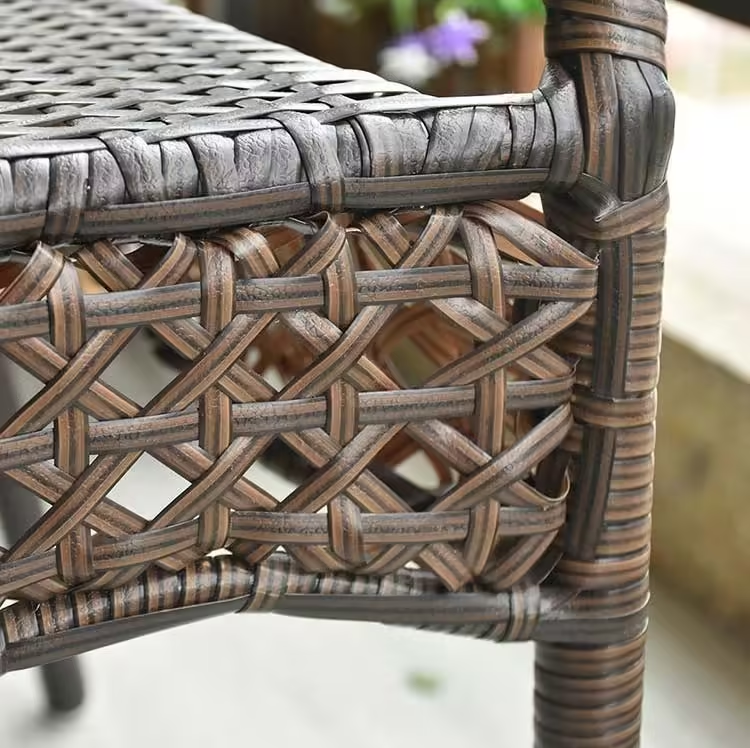
Material composition and structure represent the fundamental distinction between rattan and wicker furniture. Rattan specifically refers to the natural vine-like material harvested from palm plants, primarily native to Southeast Asian tropical forests. This solid, pole-like material serves as both structural framework and weaving medium in furniture construction. Wicker, conversely, describes a weaving technique that can employ various materials including rattan, bamboo, willow, reed, or synthetic fibers to create patterned surfaces and structural elements.
Durability and maintenance comparison reveals significant differences between the two options. Natural rattan furniture, when properly constructed and maintained, can last 20-30 years indoors, developing beautiful patina over time. However, it requires protection from excessive moisture and direct sunlight. Wicker furniture durability varies dramatically based on materials used—natural wicker (often made from willow or reed) typically lasts 5-15 years with careful maintenance, while synthetic wicker constructed from HDPE or resin can withstand outdoor elements for 10-20 years with minimal upkeep.
Style and design differences affect how each option integrates into your living room. Rattan furniture typically displays smoother, more polished surfaces with visible natural grain patterns and warm wood tones. The material works exceptionally well in both traditional and contemporary settings, offering refined elegance. Wicker furniture, with its woven texture and pattern variety, often appears more rustic or casual, though contemporary synthetic options can achieve sleeker aesthetics. The choice between rattan and wicker ultimately depends on your preferred visual style and practical requirements.
Which option is better for indoor living rooms depends on your specific priorities. For most indoor living room applications, natural rattan furniture offers superior aesthetic appeal, longer lifespan, and authentic warmth that synthetic alternatives cannot match. However, if low maintenance is a primary concern or your living room experiences high humidity, temperature fluctuations, or heavy traffic from pets and children, synthetic wicker might provide practical advantages. Consider your lifestyle, maintenance commitment, and design preferences when making this decision.
| Feature | Natural Rattan | Synthetic Wicker | Natural Wicker |
|---|---|---|---|
| Material Source | Rattan palm vine | HDPE, resin, plastic | Willow, reed, bamboo |
| Typical Lifespan | 20-30 years indoor | 10-20 years | 5-15 years |
| Maintenance Required | Moderate (dust, protect from moisture) | Low (wipe clean) | High (regular cleaning, conditioning) |
| Best Environment | Climate-controlled indoor spaces | Indoor and covered outdoor | Indoor or protected outdoor |
| Weather Resistance | Poor (cracks, fades outdoors) | Excellent (UV-resistant, waterproof) | Fair (deteriorates with exposure) |
| Aesthetic Appeal | High (natural warmth, unique character) | Variable (can appear artificial) | Good (rustic charm) |
| Price Range | Premium ($200-$1000+) | Budget to Mid-range ($100-$500) | Mid-range ($150-$600) |
Indoor Rattan Chair Styling Ideas for Living Rooms
Creating a cozy reading corner transforms unused living room space into a functional retreat. Position your rattan chair near a window for natural light, but avoid direct sunlight that could damage the material over time. Add a small side table at arm height for books, beverages, or decorative elements. Layer a plush area rug underneath to define the space and provide softness underfoot. This arrangement creates an inviting spot for relaxation while showcasing your rattan chair as a design element.
Pairing with cushions, throws, and rugs enhances both comfort and visual appeal. Select cushions in complementary colors or patterns that tie into your room’s existing color scheme. Textured throws in wool, cotton, or linen add warmth and can be casually draped over the chair back or arm for an effortless, lived-in look. Area rugs with natural fibers like jute or sisal reinforce the organic aesthetic, while softer options provide contrast and additional comfort underfoot.
Mixing rattan chairs with modern furniture creates eclectic, visually interesting interiors. Don’t hesitate to pair rattan with sleek metal, glass, or lacquered wood pieces—the contrast between natural and contemporary elements adds depth to your design scheme. However, maintain visual harmony through consistent color palettes or repeated design elements. For example, if your modern sofa features clean lines, choose a rattan chair with similarly geometric woven patterns rather than overly ornate designs.
Boho and Scandinavian design inspirations demonstrate rattan’s versatility across different aesthetic approaches. For bohemian interiors, layer rattan chairs with vibrant textiles, global accents, abundant plants, and mixed materials for an eclectic, collected-over-time appearance. In Scandinavian-inspired spaces, pair rattan with minimalist furniture, neutral color palettes, natural wood tones, and simple geometric patterns to create warm, uncluttered environments. Both styles benefit from rattan’s natural warmth and textural interest.
Using rattan accent chairs as focal points draws attention and adds personality to your living room. Position a distinctive rattan chair prominently—perhaps angled toward the main seating area, in a well-lit corner, or as part of a symmetrical arrangement with a matching piece. Enhance the focal effect through strategic lighting, whether that’s natural light from a nearby window or a well-placed floor lamp that highlights the chair’s woven texture. The goal is to make the rattan chair feel intentional and significant within your overall design composition.
Maintenance Tips for Indoor Rattan Chairs
Regular cleaning methods preserve both appearance and structural integrity. Dust your rattan chair weekly using a soft brush attachment on your vacuum or a microfiber cloth to remove particles from woven crevices. Monthly, wipe down surfaces with a cloth slightly dampened with mild soap and water, immediately drying with a clean towel to prevent moisture absorption. For stubborn dirt in crevices, use a soft-bristled brush gently—avoid abrasive materials that might scratch the finish.
Preventing mold and moisture damage protects your investment from environmental threats. Maintain indoor humidity between 40-50% to prevent mold growth and material deterioration. Avoid placing rattan chairs near bathrooms, kitchens, exterior doors, or other areas with fluctuating moisture levels. If spills occur, blot immediately with a dry cloth rather than wiping, which spreads moisture. For homes in particularly humid climates, consider using a dehumidifier in rooms containing rattan furniture.
Protecting from sunlight exposure prevents fading, drying, and cracking. Position rattan chairs away from direct sunlight or use UV-blocking window treatments to filter harmful rays. If exposure is unavoidable, rotate the chair periodically to ensure even aging and prevent one-sided deterioration. Be particularly vigilant with south-facing windows or summer sun, which can cause rapid damage. For pieces that must sit near windows, consider applying UV-protective sprays designed for natural materials.
Extending the lifespan of rattan furniture requires proactive care and attention. Inspect your chair regularly for loose weaving, joint separation, or finish deterioration—address small issues promptly before they escalate. Apply furniture oil or wax specifically formulated for rattan every 6-12 months to maintain flexibility and prevent drying. Avoid dragging chairs across floors, which stresses joints and woven elements; instead, lift carefully when repositioning. With proper maintenance, quality rattan chairs can provide decades of service while developing beautiful character.
Manufacturing Process Behind High-Quality Rattan Chairs

Raw Material Selection and Treatment begins the journey from tropical forest to finished furniture. Quality manufacturers select mature rattan cane (typically 3-5 years old) harvested from sustainable plantations. The harvested material undergoes careful processing including cleaning, straightening, and sometimes steaming to increase pliability. Proper treatment with borax or other solutions prevents insect infestation and mold while preparing the material for crafting. Premium manufacturers often source specific rattan varieties known for superior strength, flexibility, and color consistency.
Frame Construction and Reinforcement creates the structural foundation for woven elements. Skilled craftsmen build frames from solid hardwoods or metal components, using traditional joinery techniques like mortise-and-tenon connections reinforced with dowels or specialized hardware. The frame must be perfectly squared and leveled to ensure proper rattan application and long-term stability. Quality manufacturers design frames with appropriate stress points and reinforcement at areas that will bear the most weight during use, particularly at seat and back intersections.
Hand-Weaving Techniques transform prepared materials into functional art. Experienced artisans weave prepared rattan strands around the frame using traditional patterns that balance aesthetics with structural integrity. Common techniques include standard over-under weaving, more complex patterns like herringbone or diamond weaves, and specialized methods for creating decorative elements. The weaving tension must be consistent throughout—too loose creates weak points, while too tight risks damaging the frame or rattan material. This craft requires years of training to master and represents a significant portion of the chair’s value.
Quality Inspection and Finishing ensure each piece meets exacting standards before reaching customers. Quality control inspectors check for consistent weaving, secure joints, smooth finishes without splinters or sharp edges, and proper cushion fit if applicable. Final finishes—whether natural clear coats, stains, or paints—are applied evenly and allowed to cure completely. Premium manufacturers perform stress testing to verify weight capacity and structural integrity. Each chair typically receives final inspection and polishing before packaging, ensuring customers receive pieces free from defects.
Why manufacturing expertise affects product durability becomes evident when comparing chairs from different producers. Experienced manufacturers understand how material selection, construction techniques, and finishing methods interact to create furniture that withstands daily use while maintaining appearance. They’ve developed proprietary processes for treating materials, specialized joinery methods, and quality control procedures that prevent common failure modes. This expertise directly translates to longer lifespan, better performance, and reduced likelihood of costly repairs or replacements.
Advantages of working directly with a rattan chair manufacturer include access to superior craftsmanship, customization options, and cost savings. Direct relationships with manufacturers often reveal insights about material sourcing, construction methods, and design capabilities that aren’t apparent through retail channels. For businesses, direct manufacturer partnerships enable custom designs, private labeling, volume pricing, and quality control oversight that third-party arrangements cannot match. Even individual consumers benefit from understanding manufacturing origins, as this knowledge facilitates better purchasing decisions and appropriate care for their furniture investments.
Buying Indoor Rattan Chairs in Bulk or Wholesale
Benefits of sourcing directly from manufacturers extend beyond simple cost savings. Direct manufacturer relationships typically provide 30-50% savings compared to retail pricing, but the advantages extend far deeper. You gain access to complete customization options including size variations, material specifications, finish choices, and design modifications that retail inventory cannot offer. Quality control improves dramatically when you establish direct communication with production facilities, allowing you to specify standards, request progress updates, and address concerns before products ship.
Custom indoor rattan chair options (OEM/ODM) enable businesses to create distinctive products that stand in competitive markets. Original Equipment Manufacturing (OEM) involves producing your designs using the manufacturer’s expertise and facilities, while Original Design Manufacturing (ODM) allows you to customize existing manufacturer designs to your specifications. Both approaches enable customization of dimensions, materials, finishes, cushioning, packaging, and branding elements. Direct manufacturer partnerships make these custom approaches feasible for orders that would be impractical through retail channels.
Minimum order quantity and production lead time considerations vary significantly between manufacturers. Typical minimum orders range from 50-100 pieces per design for custom work, though some manufacturers accept smaller quantities for premium pricing. Standard production lead times span 4-8 weeks from order confirmation to shipping, depending on complexity and order size. Planning ahead allows businesses to coordinate inventory needs with production schedules, potentially securing better pricing through larger orders or timing purchases during manufacturer off-peak periods.
Quality control and global shipping considerations require careful planning when sourcing internationally. Establish clear quality specifications before production begins, including material standards, finish requirements, construction methods, and packaging protocols. Arrange for inspection either through third-party services or personal visits when feasible. International shipping involves careful coordination regarding freight forwarders, customs documentation, insurance coverage, and delivery coordination. Working with experienced manufacturers helps navigate these complexities while ensuring your products arrive in condition meeting your expectations.
Common Mistakes to Avoid When Buying a Rattan Chair Indoor

Ignoring frame strength and load capacity leads to premature failure and potential safety issues. Many buyers focus exclusively on visual appeal, overlooking the structural elements that determine longevity and safety. Always verify the frame material (hardwood vs. softwood vs. metal), construction methods (joinery vs. fasteners), and stated weight capacity. Test stability by gently rocking the chair—quality pieces feel solid without wobbling or creaking. Remember that attractive weaving cannot compensate for weak underlying structure.
Choosing style over comfort results in furniture that looks beautiful but rarely gets used. While aesthetics matter, prioritize ergonomic features that support actual use. Consider seat height (17-19 inches typically), seat depth (18-22 inches), back support angle, and cushioning quality. If purchasing online, carefully read reviews that mention comfort, and look for detailed specifications about dimensions. When possible, test chairs in person or verify return policies that allow comfort testing after delivery.
Overlooking material quality compromises both appearance and durability. Not all rattan is created equal—inferior materials may crack, split, discolor, or attract insects. Examine weaving consistency, finish quality, and frame construction carefully. Natural rattan should feel smooth without splinters or rough patches. Synthetic rattan should display uniform weaving without loose strands or visible defects. Ask manufacturers about material sources, treatments, and expected lifespan when evaluating quality.
Buying without measuring living room space creates awkward proportions and traffic flow issues. Before purchasing, measure not only the available floor space but also ceiling height, doorway clearance, and surrounding furniture placement. Consider how the chair’s size relates to other pieces—it should neither dominate the room nor disappear insignificantly. Account for necessary clearance around the chair (typically 24-36 inches) for comfortable movement and access. This simple preparation prevents disappointing purchases that don’t fit your space properly.
Conclusion
Choosing the best rattan chair indoor for your living room requires balancing design, comfort, and durability. Whether you are looking for a stylish rattan accent chair, a comfortable indoor lounge chair, or wholesale rattan furniture for your business, understanding materials, construction, and use cases is essential. The journey from selecting raw rattan materials through skilled craftsmanship to final delivery represents a remarkable convergence of natural resources and human expertise.
As a manufacturer, focusing on quality craftsmanship, reliable materials, and customizable solutions can help meet diverse market demands while ensuring long-term value for customers. The indoor rattan furniture market continues growing as homeowners and businesses recognize the unique appeal of this versatile material. By combining traditional techniques with modern innovation, quality manufacturers produce pieces that enhance living spaces while standing up to daily use.
For individual buyers, investing time in understanding rattan furniture characteristics pays dividends through informed purchasing decisions that yield years of satisfaction. The natural warmth, visual interest, and practical benefits of quality rattan chairs make them valuable additions to any living room. Whether your style leans traditional, contemporary, or eclectic, there’s a rattan chair perfectly suited to your space and needs.
FAQ
What is the difference between rattan and wicker chairs?
Rattan refers to the actual natural material harvested from palm vines, while wicker describes a weaving technique that can use various materials including rattan, bamboo, or synthetic fibers. Natural rattan offers superior durability and authentic warmth, making it ideal for indoor living rooms.
How much weight can a quality indoor rattan chair support?
A well-constructed rattan chair should safely support 250-300 pounds, with premium models capable of handling up to 350 pounds. Always check the manufacturer’s specifications and ensure the frame construction and joints feel solid and stable.
Is natural rattan or synthetic rattan better for indoor use?
Natural rattan is generally preferred for indoor living rooms due to its authentic beauty, exceptional durability (20-30 years with proper care), and ability to develop a beautiful patina over time. Synthetic rattan offers easier maintenance and better moisture resistance but lacks the premium feel and unique character of natural materials.
How do I clean and maintain my indoor rattan chair?
Dust weekly with a soft brush or microfiber cloth, and wipe monthly with a cloth slightly dampened with mild soap and water. Avoid excessive moisture, direct sunlight, and maintain indoor humidity between 40-50%. Apply furniture oil every 6-12 months to keep the rattan flexible and prevent cracking.
What should I look for when buying a rattan chair for small spaces?
For smaller living rooms, choose rattan chairs with narrower profiles (under 24 inches wide), armless designs or low-profile arms, and vertical emphasis that doesn’t overwhelm the space. Consider stackable options for added flexibility, and always measure your space carefully before purchasing to ensure proper fit and traffic flow.
