
Table of Contents
Introduction

Bulk sourcing outdoor seating is no longer a simple catalog decision. For many commercial spaces—hotels, resorts, cafés, and landscaped public areas—the choice of rattan patio chair directly affects how the space feels, functions, and performs over time.
What has changed in recent years is buyer behavior. Instead of focusing only on appearance, procurement teams now look deeper into structural reliability, weather performance, material behavior under stress, and how consistent production can be maintained across large orders.
From a manufacturing perspective, this shift is important. It means outdoor furniture is no longer just a decorative element; it is part of long-term operational planning.
Material Reality Check: What Actually Performs Outdoors
Before comparing styles or designs, most bulk buyers eventually come back to one question: how does the material behave outside for long periods?
PE rattan in real outdoor conditions
Synthetic rattan is widely used in commercial patio furniture because it handles moisture and sunlight far better than natural fibers. It does not absorb water easily and is less likely to deform under temperature changes.
That said, not all PE rattan is the same. Density, weaving tightness, and UV stabilizers all influence how it looks and performs after prolonged outdoor exposure.
Frame structure is where durability begins
The internal frame is often overlooked during early-stage selection, yet it carries the entire product lifecycle.
Aluminum frames are commonly preferred for outdoor environments due to corrosion resistance. Steel frames can also perform well, but only when surface treatment and coating systems are properly executed.
In bulk projects, even small inconsistencies in frame welding or coating thickness can lead to noticeable differences after installation.
What Separates a Factory-Level Product from Generic Supply
When dealing with large-volume procurement, the source of production becomes as important as the product itself.
Production control is not visible—but it matters
Two rattan patio chairs may look identical, but internal production processes determine whether they behave the same after months of use.
Stable factories rely on controlled weaving density, standardized frame cutting, and multi-stage inspection. Without this structure, consistency across batches becomes unpredictable.
The issue of batch variation
One common challenge in bulk outdoor furniture orders is variation between production batches. Even slight differences in raw materials or finishing conditions can create visible mismatches once products are placed side by side in real environments.
Supplier Capability: The Part That Gets Underestimated

Many procurement decisions focus heavily on samples, but the real test begins when production scales up.
Direct manufacturing vs middle sourcing
Working directly with a manufacturer typically provides more control over production planning, customization adjustments, and long-term supply stability.
Middle-layer sourcing often introduces communication delays and limits flexibility when project requirements change mid-process.
Capacity is not just about volume
It is also about rhythm. A reliable production system can maintain steady output without sacrificing consistency, even when orders are distributed across multiple designs or configurations.
Customization expectations are rising
More commercial projects now require adaptations rather than standard models—adjustments in frame color, weaving pattern, cushion structure, or spatial sizing are becoming normal rather than exceptional.
Design Thinking in Commercial Outdoor Furniture
Design decisions in rattan patio chair selection are rarely about aesthetics alone. They are tied closely to user behavior and spatial usage.
Stackability and operational flow
For restaurants and cafés, storage efficiency matters as much as seating comfort. Stackable structures reduce operational friction during cleaning, events, or seasonal changes.
Comfort is a retention factor
In hospitality environments, seating comfort influences how long guests stay. Subtle design choices—such as seat angle or cushion density—have a direct impact on user experience.
Outdoor textiles must perform quietly
Fabric selection often goes unnoticed when it performs well, but becomes obvious when it fails. Materials need to balance comfort with resistance to fading and moisture retention.
Why Durability Testing Cannot Be Ignored
Outdoor furniture lives in unpredictable environments. Sun, rain, humidity, and temperature shifts all affect performance.
Sun exposure over time
Continuous UV exposure gradually weakens materials if they are not properly stabilized. This affects both color consistency and structural integrity.
Moisture exposure in real usage
Outdoor seating in coastal or humid regions requires additional protection against corrosion and fiber degradation.
Structural load behavior
Commercial seating is subject to continuous and varied usage patterns. Stability over time is a more important indicator than initial appearance.
Customization Has Become a Standard Expectation
What used to be considered special order work is now part of normal procurement discussions.
Visual alignment with project identity
Hotels, resorts, and branded outdoor spaces often require furniture that aligns with architectural tone and design language.
Coordinated outdoor environments
Color consistency between seating, cushions, and surrounding décor helps create a more cohesive environment.
Functional modifications
Adjustments in height, width, or cushion configuration are often required to match different project layouts.
Logistics: The Hidden Layer of Bulk Procurement

Once production is complete, the next challenge is ensuring products arrive in usable condition.
Packaging design influences outcome
Flat-packed or knock-down structures are widely used to optimize space and reduce movement damage during transport.
Protection during long-distance shipping
Corner reinforcement, layered wrapping, and internal support systems help maintain structural integrity during transit.
Documentation and coordination
Clear export documentation reduces friction during customs processing and helps maintain predictable delivery timelines.
Where Rattan Patio Chairs Are Commonly Used
The versatility of rattan patio seating explains its strong demand across multiple environments.
Hospitality environments
Hotels and resorts use outdoor seating to extend guest comfort beyond interior spaces.
Dining and café terraces
Outdoor seating areas are often designed to increase capacity and improve atmosphere without expanding indoor footprint.
Leisure-focused environments
Poolside and garden areas rely on furniture that balances comfort with environmental resilience.
Industry Perspective
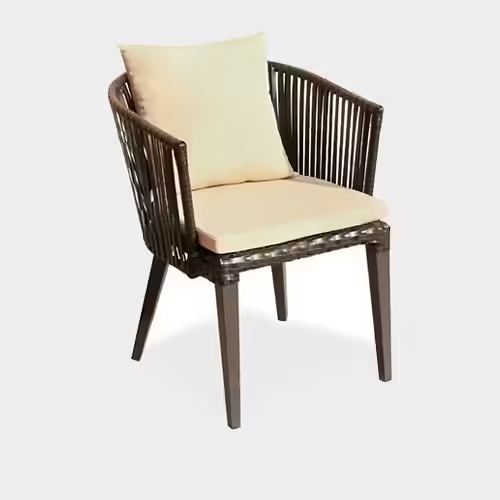
Current outdoor furniture trends are consistently discussed across major industry and design platforms such as:
- Statista (market behavior and outdoor furniture demand patterns)
- Architectural Digest (commercial outdoor design trends)
- Houzz (real-world patio and garden design applications)
- Furniture Today (manufacturing and supply chain updates)
- Pinterest Trends (visual behavior in outdoor living design searches)
Across these sources, a clear direction emerges: demand is shifting toward durable, low-maintenance, and customizable outdoor seating systems designed for commercial environments rather than residential-only use.
Conclusion
Selecting rattan patio chairs in bulk is ultimately a decision shaped by more than design preference. Material behavior, production consistency, supplier capability, and environmental durability all play a role in long-term performance.
For commercial buyers, especially in hospitality and outdoor public spaces, the real value lies in stability—stable quality, stable supply, and stable performance across time.
When these elements align, rattan patio seating becomes more than furniture. It becomes part of how an outdoor environment functions and how it is experienced.
FAQ
What is the best material for rattan patio chairs used outdoors?
PE rattan combined with an aluminum frame is widely used for outdoor applications due to its weather resistance, UV stability, and corrosion protection.
How long can rattan patio chairs last in outdoor environments?
Service life depends on material quality, usage intensity, and environmental exposure. High-quality outdoor-grade rattan furniture is designed for long-term commercial use under proper maintenance.
What should be checked before placing a bulk order?
Key factors include material specification, frame structure, production consistency, supplier manufacturing capability, and quality control standards.
Can rattan patio chairs be customized for commercial projects?
Yes. Many manufacturers support customization in size, color, weaving style, cushion material, and structural design to match project requirements.
Are rattan patio chairs suitable for hotels and restaurants?
Yes. They are widely used in hospitality environments due to their combination of durability, comfort, and design flexibility for outdoor seating areas.
